This SPY×FAMILY quiz is a short return to the beginning of the Forger family story. It asks you to recognise people, separate public roles from hidden identities, and connect a few important names with the right part of the premise. You do not need to memorise episode numbers, release dates, voice actors or sales figures. The challenge is about understanding the setup you watched, rather than proving that you know every detail ever published about the series. Treat it as a friendly memory check that you can complete alone or compare with a friend after both attempts are finished.
The spoiler boundary matters before you begin. Questions cover the opening family setup, the adults’ secret roles, the school and the central mission. If you want to discover even those introductory revelations through the anime itself, save this page until you have watched the early episodes. This is not a quiz about later manga developments or the newest season’s ending. It deliberately avoids asking about changing totals, later character achievements and recently released story outcomes. Knowing more of the franchise may make the names familiar, but it is not required to understand what each question is asking.
Read the question type before choosing an answer. Some questions request exactly one answer, so select the option that directly matches the wording. Another asks you to select every correct option; a single correct selection is not a complete response when several are required. There is also a short text entry. Its instruction tells you which writing form to use, so keep the response brief and do not add an explanation in that field. These different formats test recognition and recall in slightly different ways. They are not intended to trick you through obscure punctuation or a hidden change of subject.
Names can look different across subtitles, dubbing and fan discussions. For that reason, the short text item explicitly requests the Latin spelling, even in the Arabic and Turkish versions. Follow that instruction rather than translating a proper name into a new phrase. The multiple-choice items provide their own options, allowing you to focus on the relationship or role instead of guessing a transliteration. If you normally watch in another language, read the entire sentence before deciding. A familiar sound may help you recognise a person, but the question still asks for one particular fact about that person.
A useful way to think about the story is to separate three layers: what a character presents publicly, what the audience knows, and what another character believes. Those layers do not always match. A question about someone’s public occupation should not be answered as though it asked for the secret activity, and the reverse is also true. This distinction is part of the comedy and suspense that makes the premise memorable. During the quiz, look for the words that identify the relevant layer. You can use that reading habit without being given any of the answers in advance.
You may also remember the series through relationships rather than isolated facts. A family connection, a school connection and a mission connection describe different kinds of links. Before selecting an option, ask yourself which connection the question names. This small pause is particularly useful when several familiar characters appear together. Familiarity alone does not make every option correct. You do not need a complicated family tree or a written character guide beside you; the opening premise provides enough context for this short set. The aim is to recover a clear connection rather than reward the fastest tap.
For a first attempt, try answering from memory without opening another page. If you are unsure, choose the response you can justify from the story instead of searching for an answer immediately. Afterwards, review the explanation and identify what caused the uncertainty. You might have confused two names, mixed a public role with a secret one, or overlooked the instruction to choose several options. Those are different mistakes and deserve different corrections. A second attempt is most useful after you understand the distinction, rather than immediately repeating the sequence of option positions you remember from the screen.
When playing with a friend, agree on the rules before starting. Each person can complete the quiz independently, then discuss one answer they found difficult. Avoid announcing answers while another person is still reading. If one person has watched much further, keep the discussion inside the introductory spoiler boundary so the activity remains welcoming. You can compare explanations without turning the result into a competition over who counts as a real fan. Different viewing languages, long gaps between episodes and simple distraction can all affect recall. The quiz is a conversation starter, not a membership test for enjoying the series.
The result should be interpreted narrowly. It describes your answers to this particular set of questions at this moment. It does not measure intelligence, personality, reading ability or your understanding of every part of SPY×FAMILY. Nor does a perfect attempt show that you know all later story events. If you miss a question, use the explanation to revisit the specific connection involved. If you answer everything correctly, you can still explain your reasoning to someone else without spoiling later developments. Enjoyment of a story does not depend on remembering every name on demand.
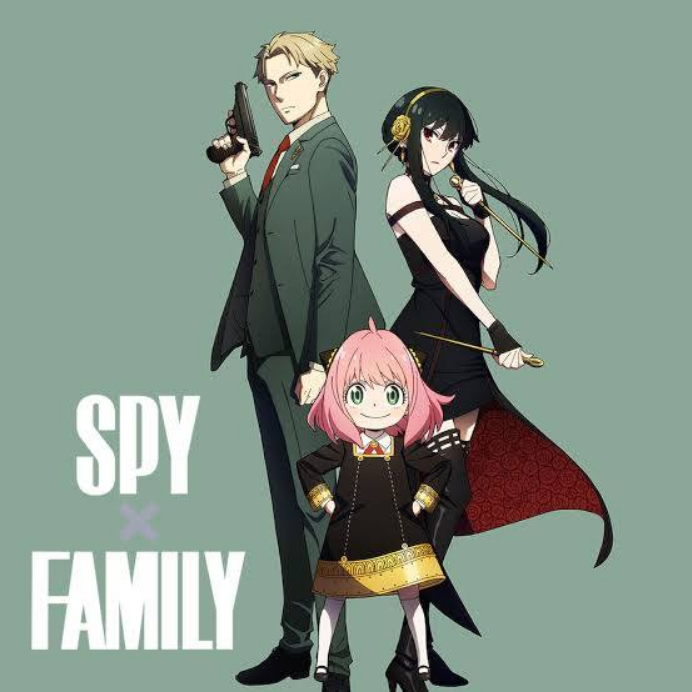
The questions were checked against the official anime website’s story and character information. The wording here is original, and the quiz is an independent fan activity rather than an official examination or an endorsed collaboration. The cover is a licensed photograph used as a general investigation motif; it is not a frame from the anime, an official character illustration or a clue to an answer. No question requires you to identify a person from that image. Keeping the illustration separate from the answer material also makes the activity usable without relying on visual recognition of copyrighted character artwork.
The three language versions keep the same facts, question order and correct choices. Instructions and explanations are translated so you can choose the language in which you read most comfortably. This is an anime knowledge activity, not an English or Turkish proficiency exam. If you switch languages after an attempt, the change should help you understand the wording rather than introduce a different factual challenge. Take a moment to check any explicit instruction about the short response, then begin when you are ready. A careful answer with a reason is more useful than rushing through a familiar-looking list of names.